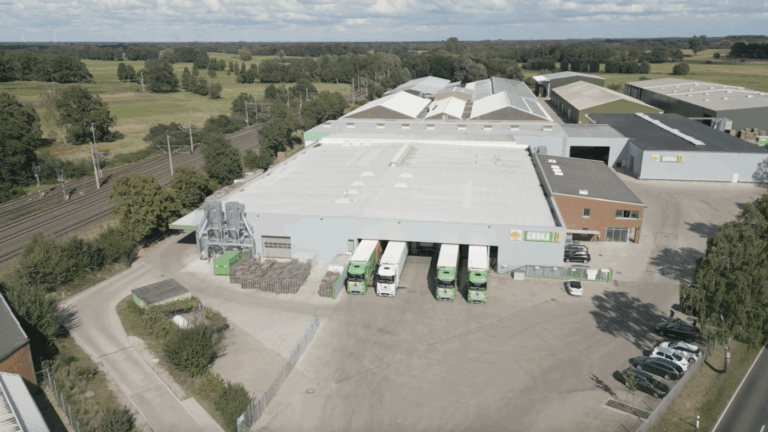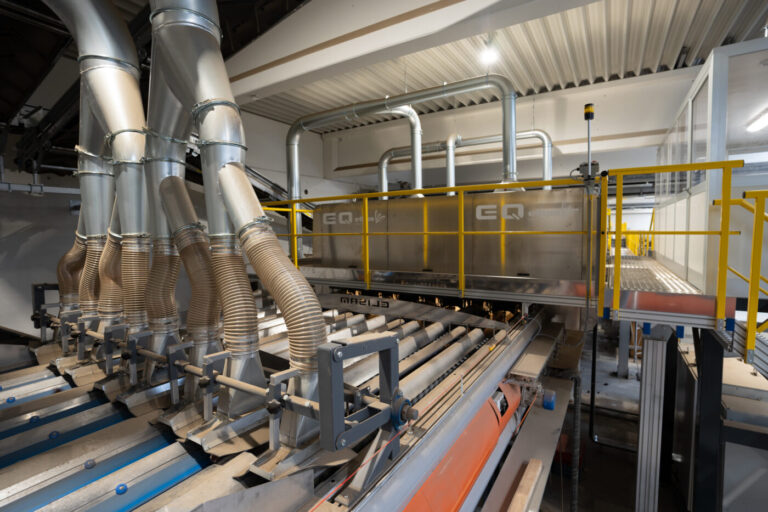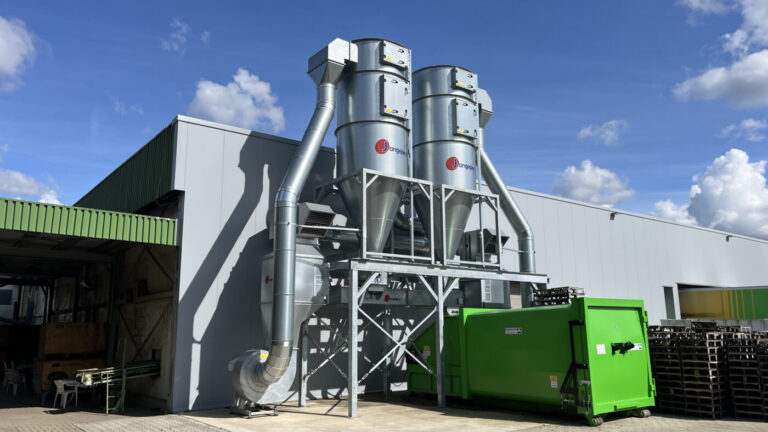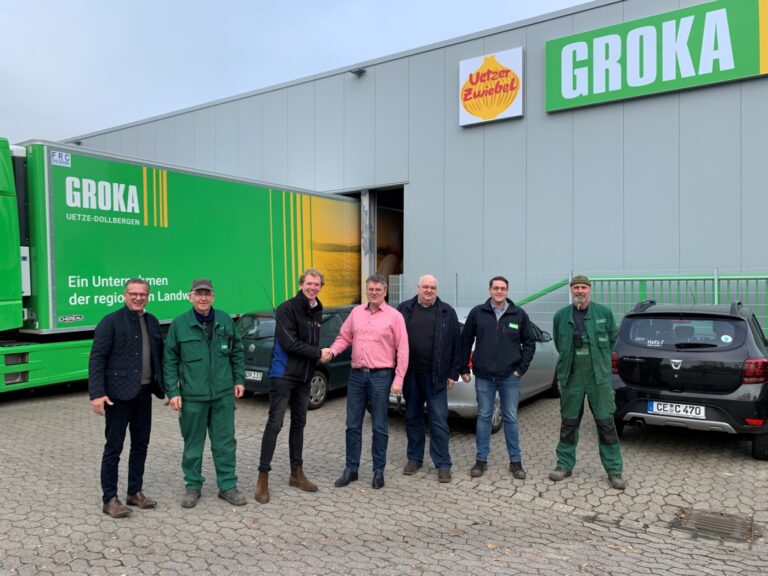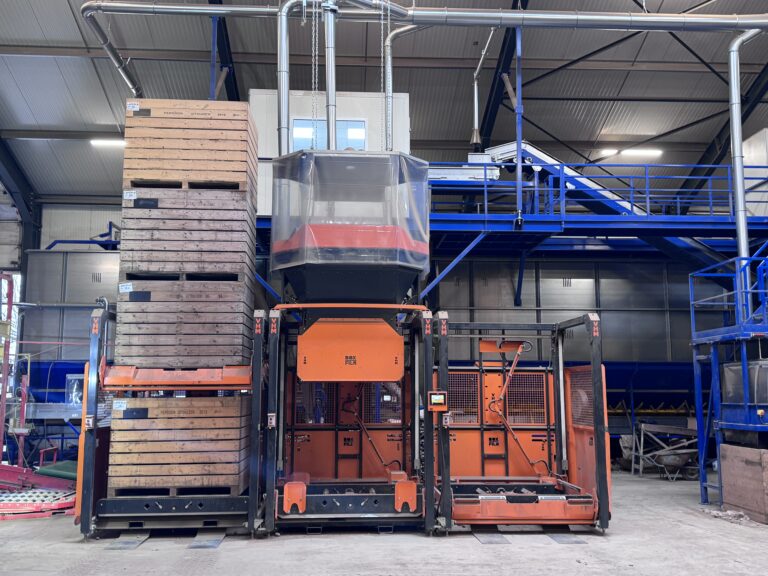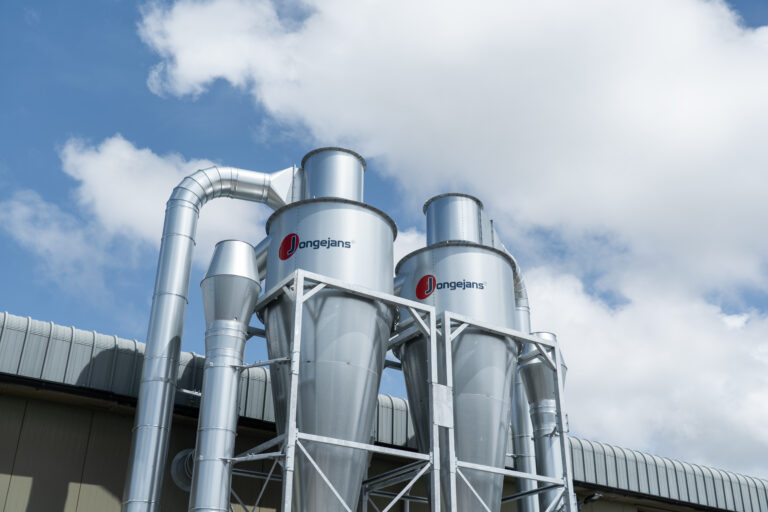



The German potato and onion cooperative Groka is located east of Hanover. This area in Lower Saxony produces more than half of Germany's onions and half of its potatoes. Groka has a market share of no less than 20-25% in the German onion market. In the video report below, director Volker Peters explains the entire process, including the new Ellisam sorting line and the extraction system from Jongejans Luchttechniek.
Groka packages approximately 20% of its onion volume itself (6,000 to 8,000 tons), but the majority is delivered to packers throughout Germany, from Munich to Hamburg. Onions are packaged in weights ranging from 500 grams to 2.5 kilograms, and potatoes from 5,000 grams to 25 kilograms. Groka has a central storage facility with a capacity of 25,000 tons, where its members' harvests are stored.
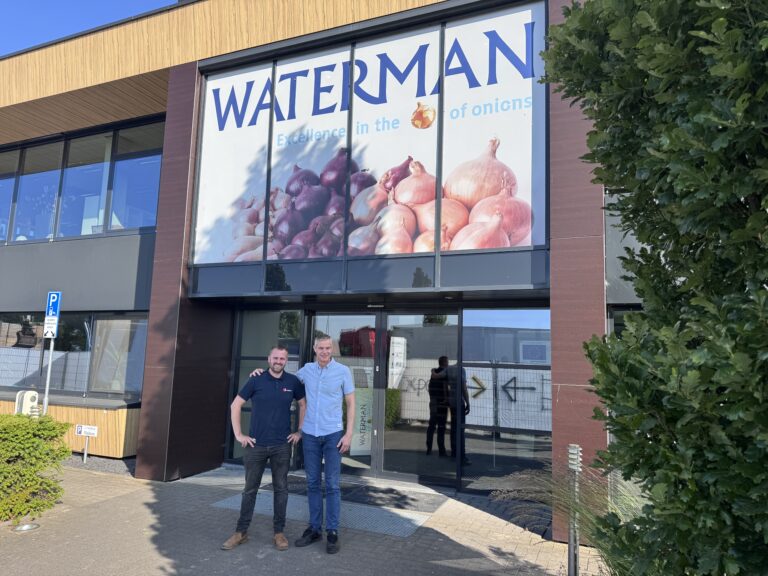
In recent years, the cooperation decided to invest in a completely new optical sorting line to continue serving its customers with the desired quality and to save labor. Several projects in the Netherlands and Switzerland were visited for this purpose. In 2021, for example, a visit was made to Top The Onion Group in 's-Gravenpolder to view the same combination of optical sorting technology with Jongejans Luchttechniek's extraction system.
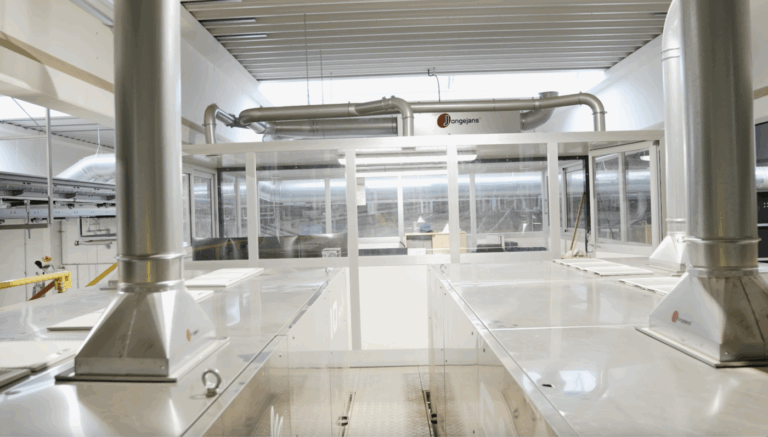
Extraction plays a crucial role in the effectiveness of an optical sorting line. The sorter must be placed in a near-clinical environment to function optimally. Early extraction of skins and dust is essential. Windshifting technology is used to ensure the onions enter the sorter process as cleanly as possible. To protect the high-tech camera technology and ensure the clearest possible images, positive pressure is also used in the camera boxes.
Along with this project, Groka also invested in extraction systems for its packaging lines, which has increased the capacity of the weighing/packaging machines. This also creates a noticeably cleaner, dust-free working environment. A total of 31 points are extracted during optical sorting and another 29 points at the packaging facility. "Jongejans offered us the complete solution for this. The systems have been operating here to our complete satisfaction for over 30 years," says Volker Peters.
In the United States and Europe, around forty large onion processors are still working satisfactorily with the Jongejans extraction solution on their sorting systems. Groka is the first German processor to implement this solution. "The beauty of our solutions is that they make everyone who uses them, happy. Good extraction ensures better machine performance, less dust in the workspace, and cleaner products."